
International Day of Education – Mary MacKillop Today
Around the world, poverty is rarely the result of a single factor. It is shaped by generations of unequal access to opportunity – limited schooling, fragile health systems, insecure employment, and social exclusion. On 24 January, International Day of Education, we reflect on one of the most powerful ways these cycles can be interrupted: education that is accessible, inclusive, and grounded in dignity.
At Mary MacKillop Today, education is not viewed as a standalone solution, but as a foundation. When education is well-designed and locally led, it can shift generational outcomes – strengthening families, empowering communities, and enabling people to shape their own futures.
The Evidence: Why Education Matters for Long-Term Change
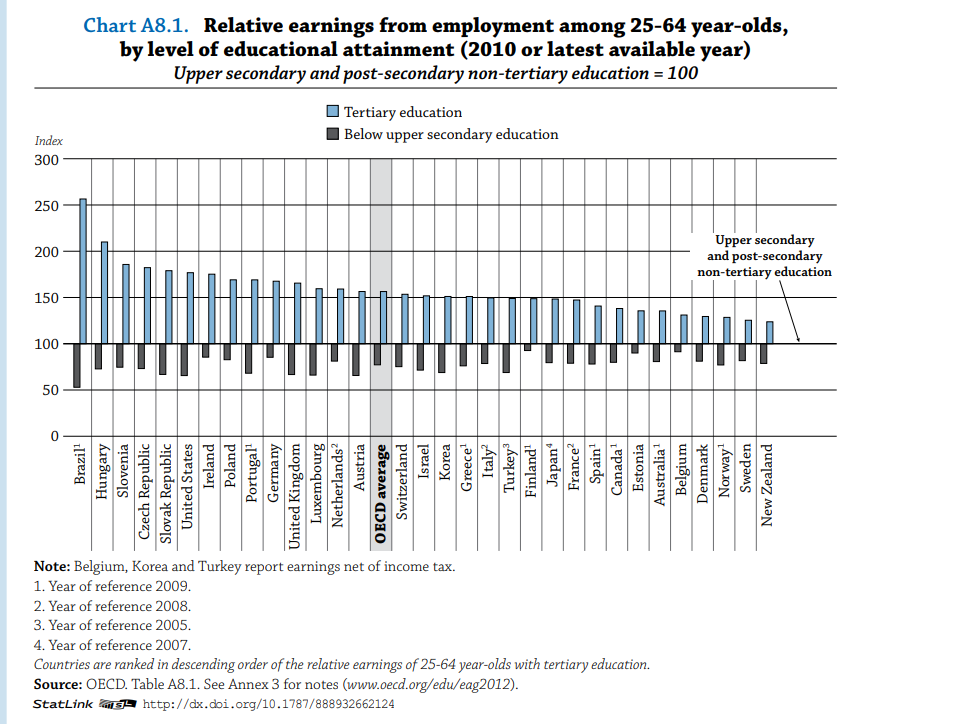
Decades of global research consistently show that education is one of the strongest predictors of improved life outcomes. Higher levels of education are associated with better health, increased lifetime earnings, improved gender equality, and greater civic participation.
Education does more than increase individual opportunity. It creates ripple effects across families and communities. Parents with access to education are more likely to prioritise schooling for their children. Communities with educated leaders are better equipped to advocate for services, manage resources, and respond to challenges.
For girls and women, education is particularly transformative. Educated women are more likely to delay early marriage, have healthier children, participate in the workforce, and contribute to community decision-making. In this way, education becomes a catalyst for intergenerational change.
Yet despite this evidence, millions of children and adults around the world still face barriers to education; from poverty and geographic isolation to disability, gender discrimination, and limited teacher support.
The Gaps: Why Access Alone Is Not Enough
While access to schooling is essential, it is not sufficient on its own to break cycles of poverty. Too often, education systems are under-resourced, teachers are unsupported, and learning environments are not inclusive or culturally appropriate.
In many low-resource settings, classrooms are overcrowded, teaching materials are scarce, and educators have limited access to professional training. Children may attend school but still struggle to develop foundational literacy and numeracy skills. Others are excluded altogether due to disability, language barriers, or household responsibilities.
As CEO, Jane Woolford at Mary MacKillop Today explains:
“When teachers are not supported, children miss out, even when they are sitting in a classroom. Training and mentoring make the difference between attendance and real learning.”
Closing these gaps requires more than short-term interventions. It calls for long-term investment, local leadership, and education models that respond to the realities of people’s lives.
Real Solutions: What Works in Practice
Across the communities we walk with, Mary MacKillop Today supports education initiatives that address these challenges at their roots. Three approaches are central to this work: scholarships, teacher training, and community-based learning.
 Scholarships: Removing Financial Barriers
 Scholarships: Removing Financial Barriers
For many students, poverty creates immediate and practical barriers to education -school fees, uniforms, transport, or the need to contribute to household income. Scholarships help remove these barriers, enabling students to remain engaged in learning during critical stages of their education.
In Australia, Mary MacKillop Today scholarships support people experiencing financial hardship to continue their studies. These opportunities not only improve individual outcomes, but also strengthen families and communities over time.
As graduate and Mary MacKillop Today scholarship awardee Alissa Paulson, shares:
“I have been nominated and am a finalist for the Charles Stuart University Student of the Year Alumni Award for First Nations Excellence.”
Teacher Training: Strengthening the Heart of Education Systems
Teachers are at the centre of effective education systems. When educators are well-trained, supported, and resourced, learning outcomes improve dramatically.
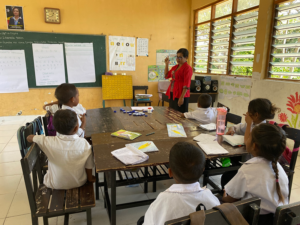
In Timor-Leste, Mary MacKillop Today partners with local organisations to provide teacher training focused on child-centred, inclusive, and practical teaching approaches. These programs equip educators with the skills and confidence to support diverse learners, including children with additional needs.
Marcia, a local teacher involved in the program reflects:
“Before the training, I didn’t know how to teach letters and sounds effectively or how to guide children respectfully. Now, I can approach each child with patience and understanding.”
By investing in teachers, education systems are strengthened from within – creating benefits that extend well beyond individual classrooms.
Community Learning: Education That Reflects Local Realities
Education is most effective when it is shaped by the communities it serves. Community-based learning programs recognise local knowledge, culture, and priorities and create pathways for those who may otherwise be excluded from formal schooling.
In Peru and Fiji, Mary MacKillop Today supports education initiatives that strengthen literacy, promote inclusion, and engage families as partners in learning. These programs are guided by local educators and leaders who understand the challenges and opportunities within their own communities.
Designed With Communities, Not For Them
Central to all our education work is partnership. Programs are designed with communities, not for them. Local leadership guides decision-making, ensuring initiatives are culturally grounded, relevant, and sustainable.
This approach respects dignity and builds ownership – key ingredients for long-term change. Education is not delivered as a service, but nurtured as a shared commitment.
Interrupting Poverty, One Generation at a Time
Education alone cannot solve poverty. But without education, cycles of disadvantage are far more likely to persist. When scholarships remove financial barriers, teachers are supported to thrive, and communities lead learning initiatives, education becomes a powerful force for generational change.
On this International Day of Education, we reaffirm our belief in education as a pathway to dignity, opportunity, and hope. Together with our partners and supporters, we remain committed to walking alongside communities – supporting education that interrupts cycles of poverty and helps build more just and resilient futures.